
Augusta Praetoria Salassorum: una storia lunga 6000 anni
Nel luglio del 1969, durante i lavori avviati per la costruzione di un complesso condominiale, si capì presto che le pietre ritrovate non erano “naturali”. L’archeologo Franco Mezzena e il suo staff iniziarono una campagna di scavi che nel corso di decenni e con la partecipazione di diversi ricercatori, avrebbero portato all’istituzione dell’Area Megalitica di Saint-Martin-de-Corléans. Uno scrigno di conoscenze presente nella zona ovest della città, la cui stratigrafia parte dalle arature rituali risalenti alla fine del V millennio e ci fa comprendere come l’area fosse abitata da piccole comunità già nel tardo Neolitico. Con una destinazione che è mutata nel corso dei secoli, a volte soltanto necropoli, il sito è stato utilizzato nel periodo romano e poi nel Medioevo. Nel 25 a.C. infatti, a circa due kilometri di distanza in direzione est, dopo la vittoria delle legioni romane sulla tribù alpina dei Salassi, venne fondata Augusta Praetoria Salassorum, baluardo di conquista e avamposto della civiltà romana. La colonia di popolamento era presente in un luogo la cui percezione collettiva era ben diversa rispetto a quella dei giorni nostri. Soltanto fino a qualche decennio fa, almeno fino al boom economico degli anni ’50 e in alcuni casi ben oltre, ad eccezione di rinomate località sciistiche e con le dovute differenze presenti in alcune zone e versanti, le Alpi sono state in gran parte luoghi di fatica, povertà, migrazioni (lo stesso vale naturalmente per zone rurali a noi ben note). Duemila anni fa, la peculiare struttura geomorfologica del territorio e le diverse tecnologie disponibili, costringevano ad una vita difficile se non ai limiti della sopravvivenza e le alture raggiungibili solo se strettamente necessario (l’alpinismo è una disciplina relativamente molto recente). Nell’immaginario del cittadino romano abituato all’ordine agricolo della centuriazione e della civitas, questi luoghi rappresentavano il baratro della barbarie: non rifugi, marmellate, formaggi e skipass ma “horridi montes” come li definì Tacito, teatro di culti ancestrali estranei al mos maiorum e alla triade capitolina, abitati da barbari ostili e senza scrupoli che ignoravano la lex. Augusta, quindi, non era solo un nodo strategico presente all’importante crocevia di valichi alpini che conducevano alla Gallia Transalpina, ma anche un simbolo della Pax Romana, elemento fondamentale e martellante che contraddistinse la propaganda del princeps Ottaviano Augusto.
ENG.: In July 1969, during work begun on the construction of a condominium complex, it was soon understood that the stones found were not “natural”. Archaeologist Franco Mezzena and his staff began an excavation campaign that over the course of decades, with the participation of several researchers, would lead to the establishment of the Megalithic Area of Saint-Martin-de-Corléans. A treasure trove of knowledge present in the western part of the city, whose stratigraphy starts from ritual ploughing dating back to the end of the 5th millennium and gives us an understanding of how the area was inhabited by small communities as early as the late Neolithic. With a destination that has changed over the centuries, sometimes only necropolises, the site was used in the Roman period and then in the Middle Ages. In fact, in 25 BC, about two kilometers away in an easterly direction, after the victory of the Roman legions over the Alpine tribe of the Salassi, Augusta Praetoria Salassorum was founded, a bastion of conquest and an outpost of Roman civilization. The settlement colony was present in a place whose collective perception was very different from that of today. Only until a few decades ago, at least until the economic boom of the ’50 years and in some cases well beyond, with the exception of renowned ski resorts and with the necessary differences present in some areas and slopes, were the Alps largely places of toil, poverty, migration (the same naturally applies to rural areas well known to us). Two thousand years ago, the peculiar geomorphological structure of the territory and the various technologies available forced a life that was difficult if not at the limits of survival and the heights reachable only if strictly necessary (mountaineering is a relatively very recent discipline). In the imagination of the Roman citizen accustomed to the agricultural order of centuriation and civitas, these places represented the abyss of barbarism: not refuges, jams, cheeses and ski passes but “horridi montes” as Tacitus defined them, the theatre of ancestral cults alien to the “mos maiorum” and the Capitoline Triad, inhabited by hostile and unscrupulous barbarians who ignored the “lex”. Augusta, therefore, was not only a strategic hub present at the important crossroads of Alpine passes leading to Transalpine Gaul, but also a symbol of the Pax Romana, a fundamental and pounding element that distinguished the propaganda of Princeps Octavian Augustus.
Aosta - Fénis - Cogne - Lillaz - Morgex - La Thuile - Colle del Piccolo S. Bernardo
In fase di aggiornamento, previsto prossimamente l’inserimento di nuove immagini che riguardano la città di Aosta con uno speciale dedicato all’Area Megalitica di Saint-Martin-de-Corléans.
Being updated, the insertion of new images relating to the city of Aosta is expected soon with a special feature dedicated to the Megalithic Area of Saint-Martin-de-Corléans.
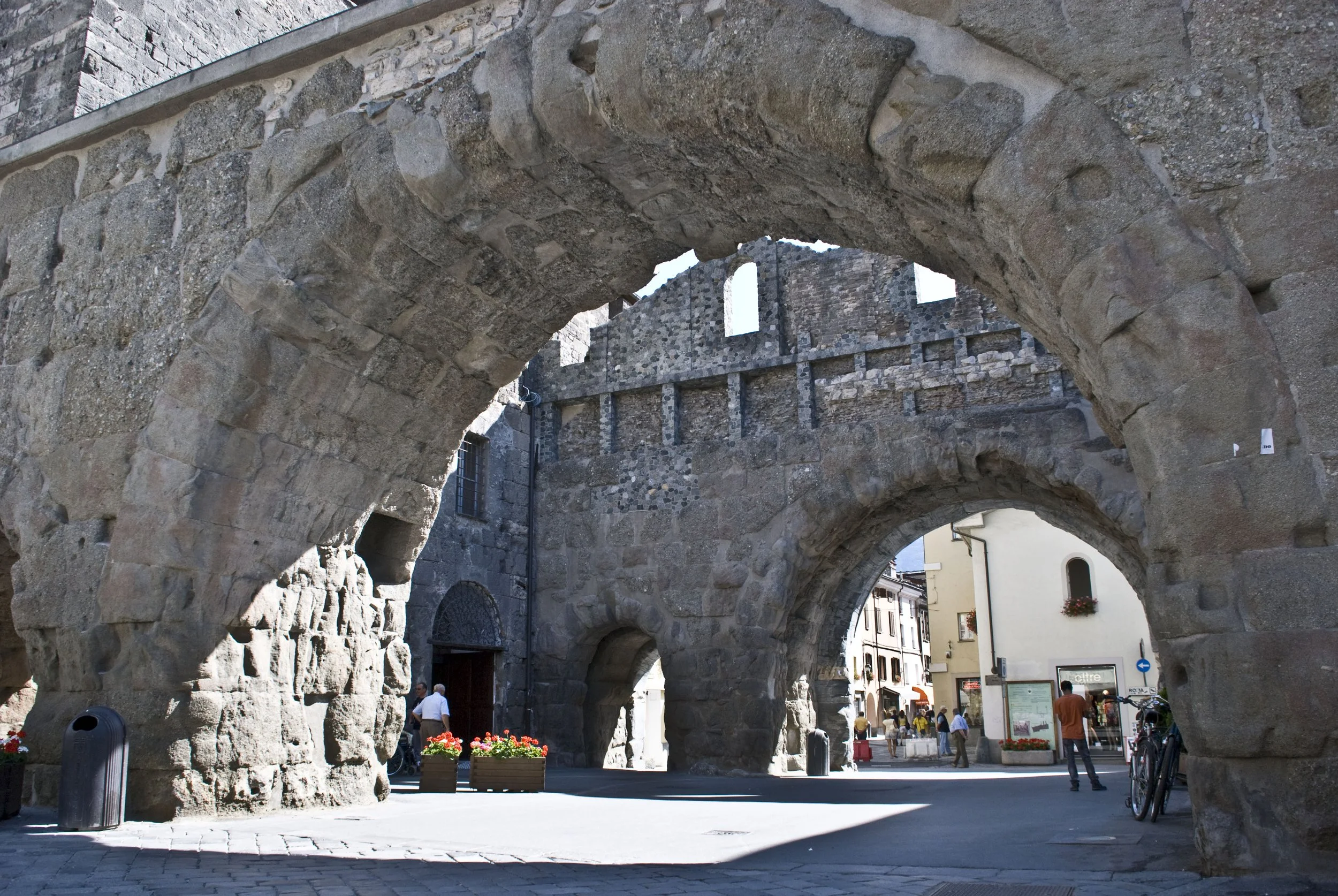
Aosta - Porta Praetoria, 25 a.C.
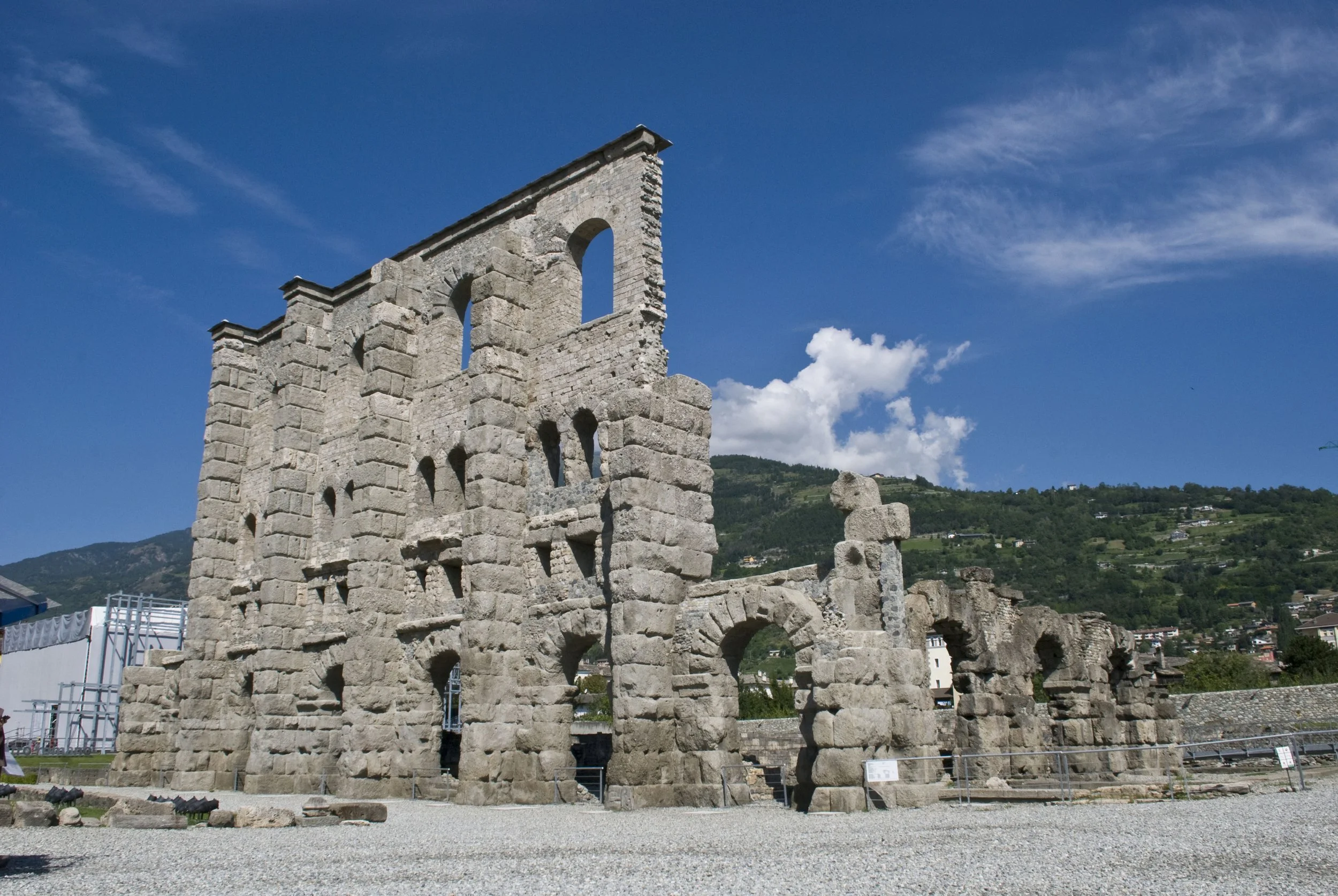
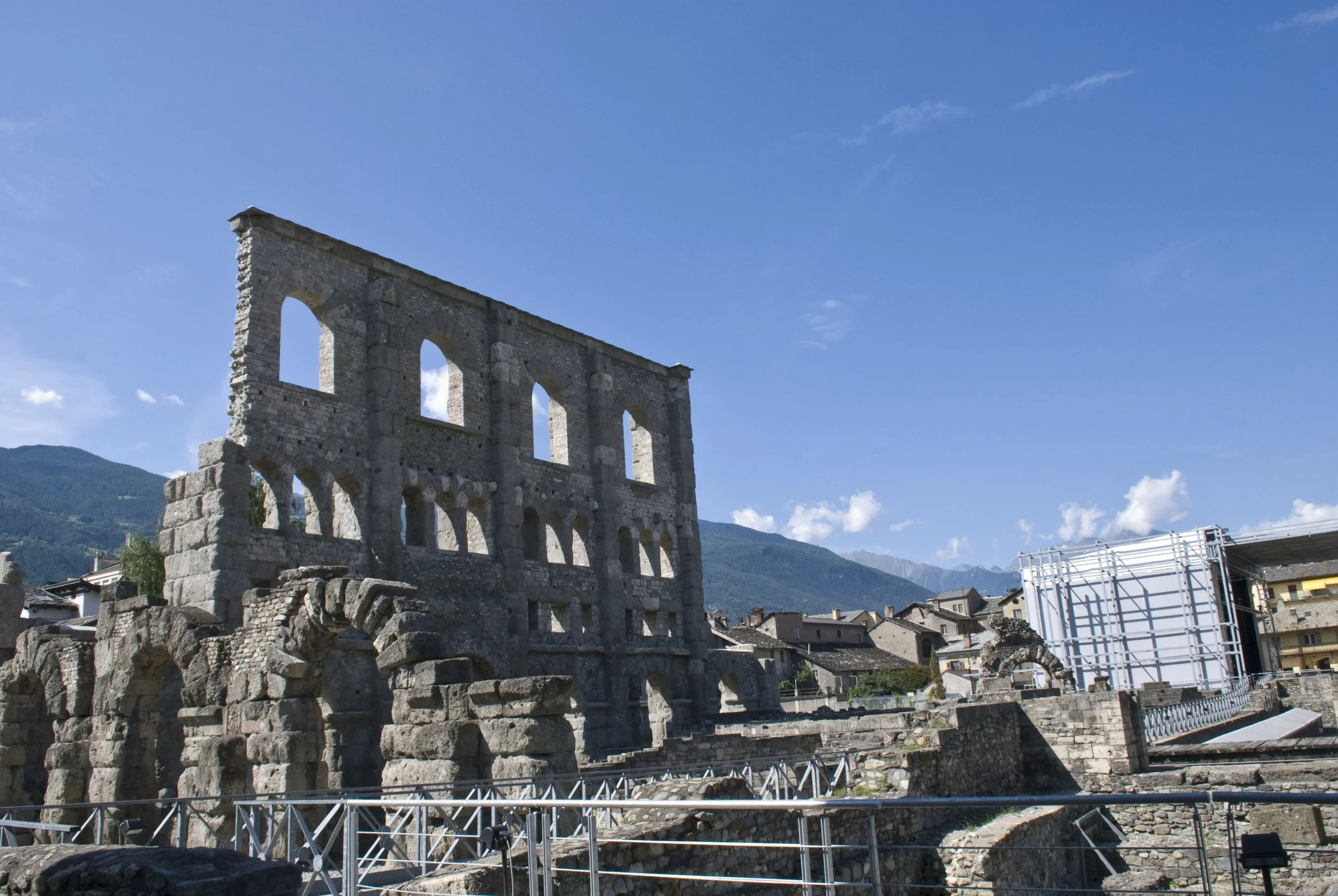
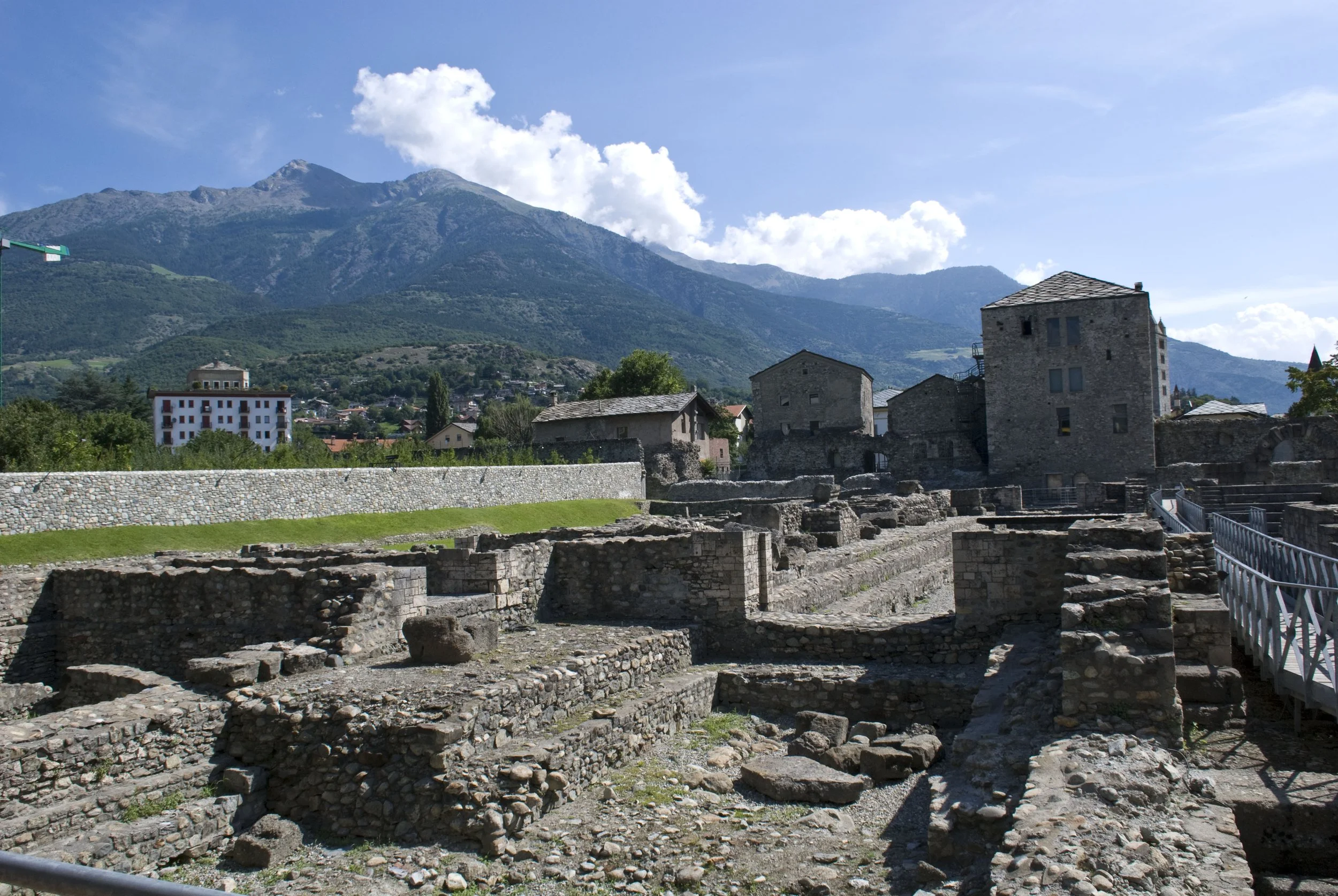
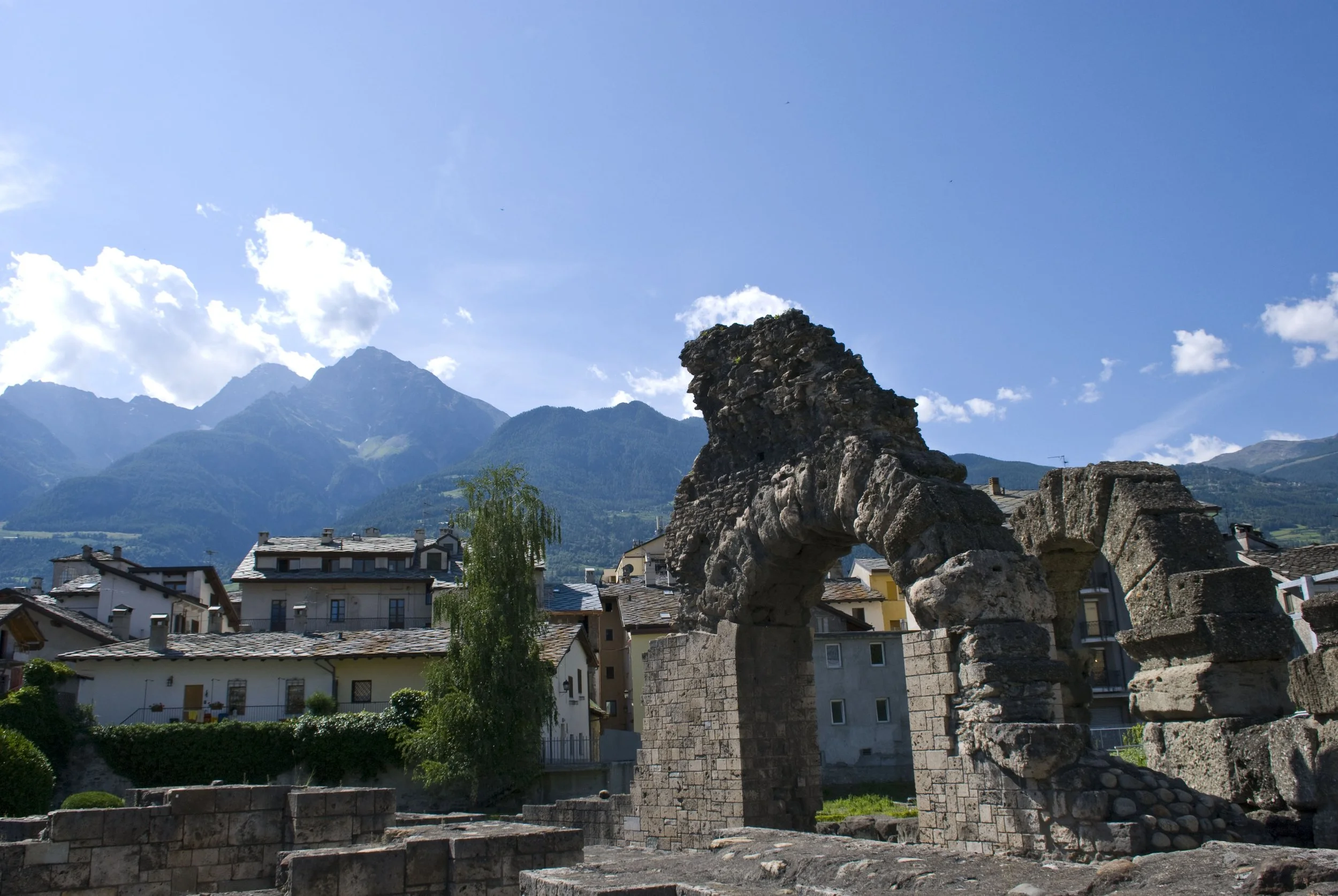
Aosta - teatro romano
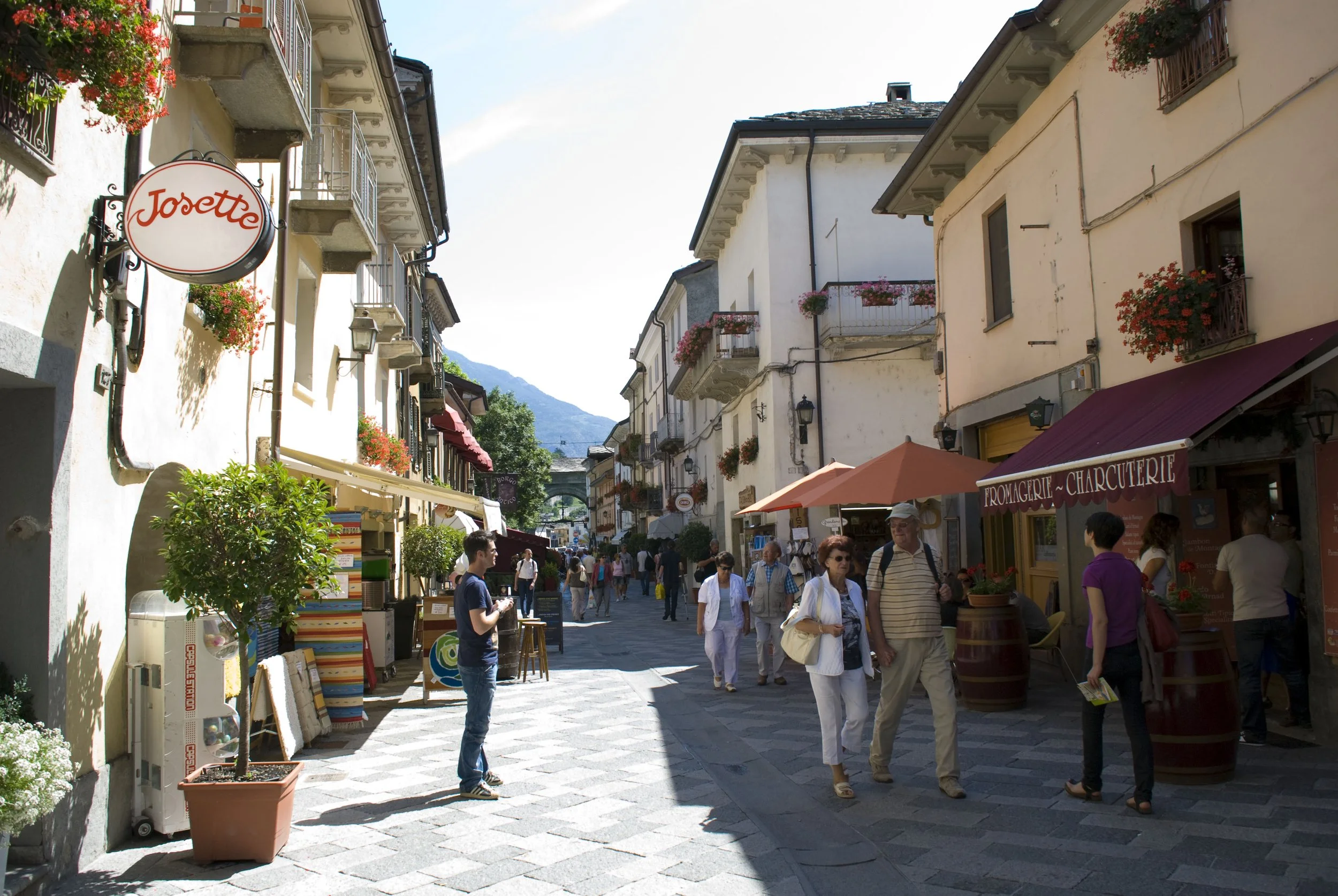
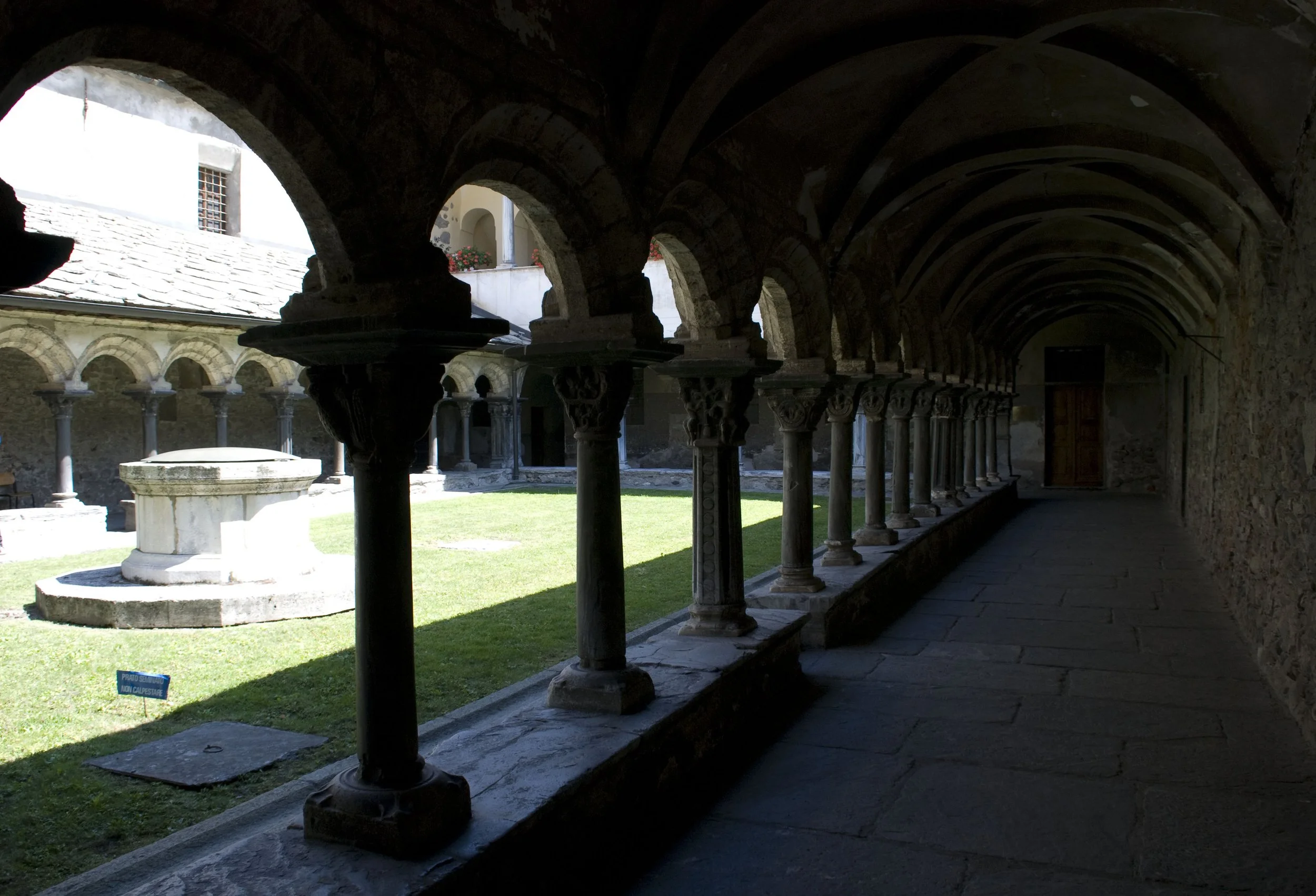
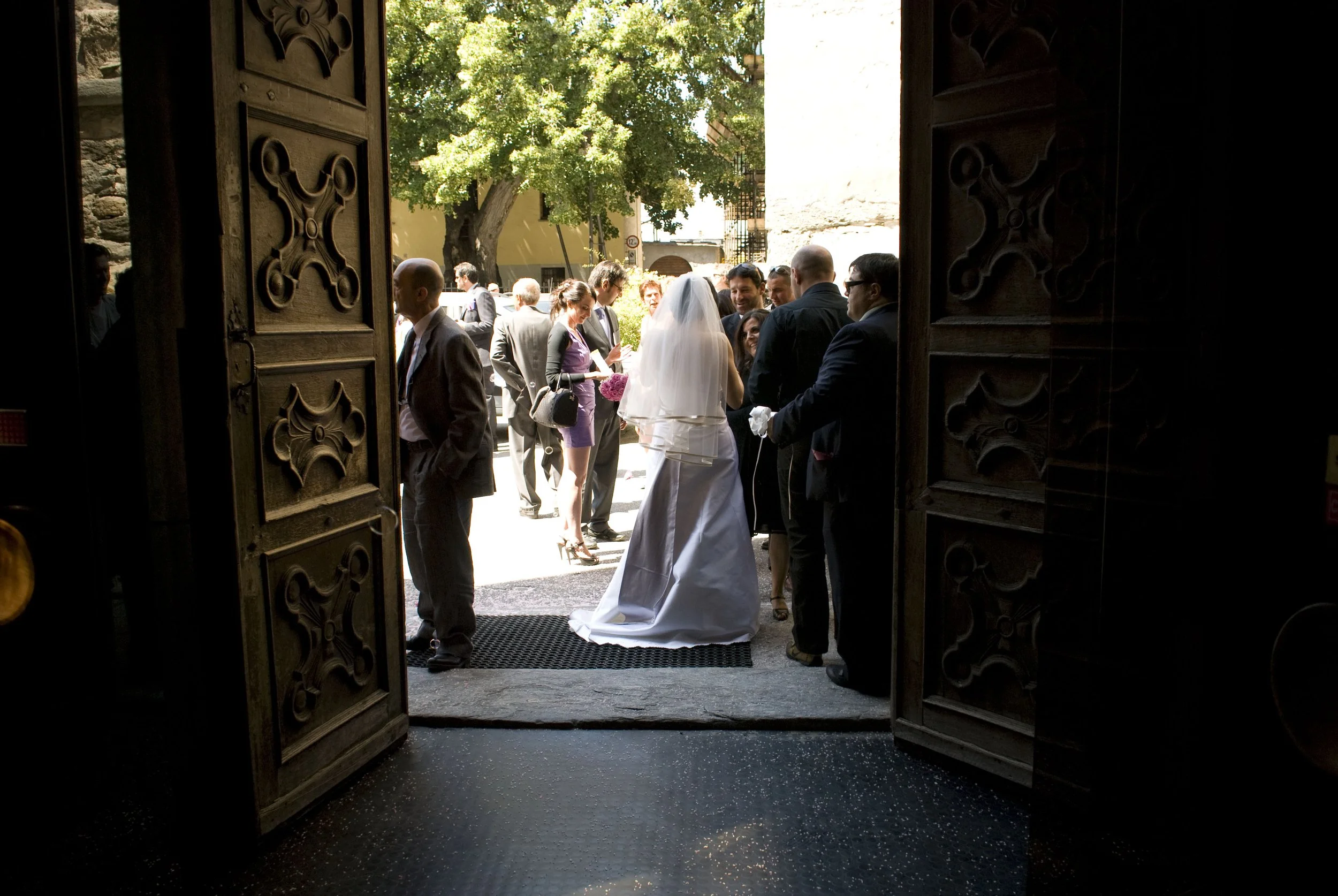
Aosta - Chiostro romanico di Sant'Orso
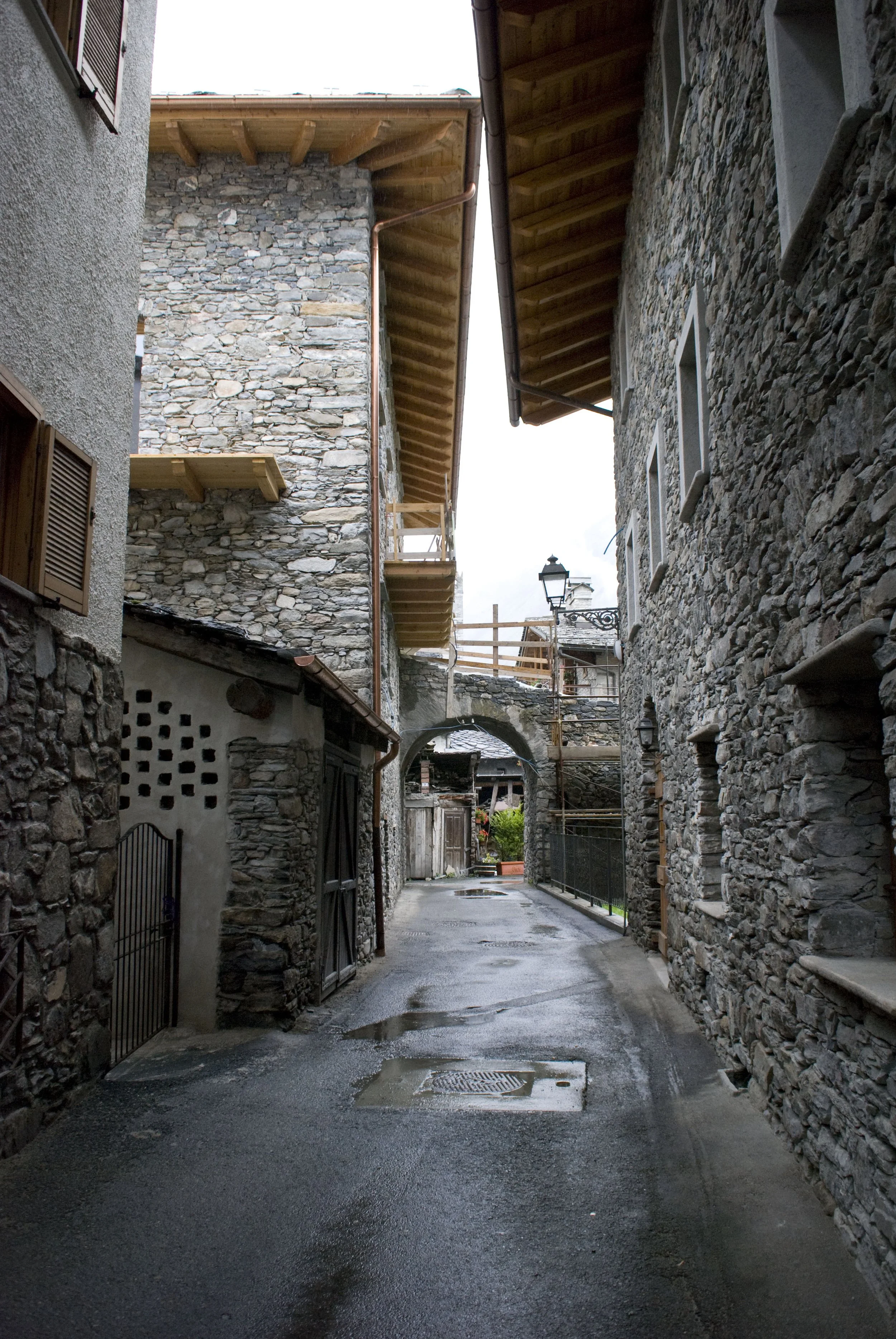
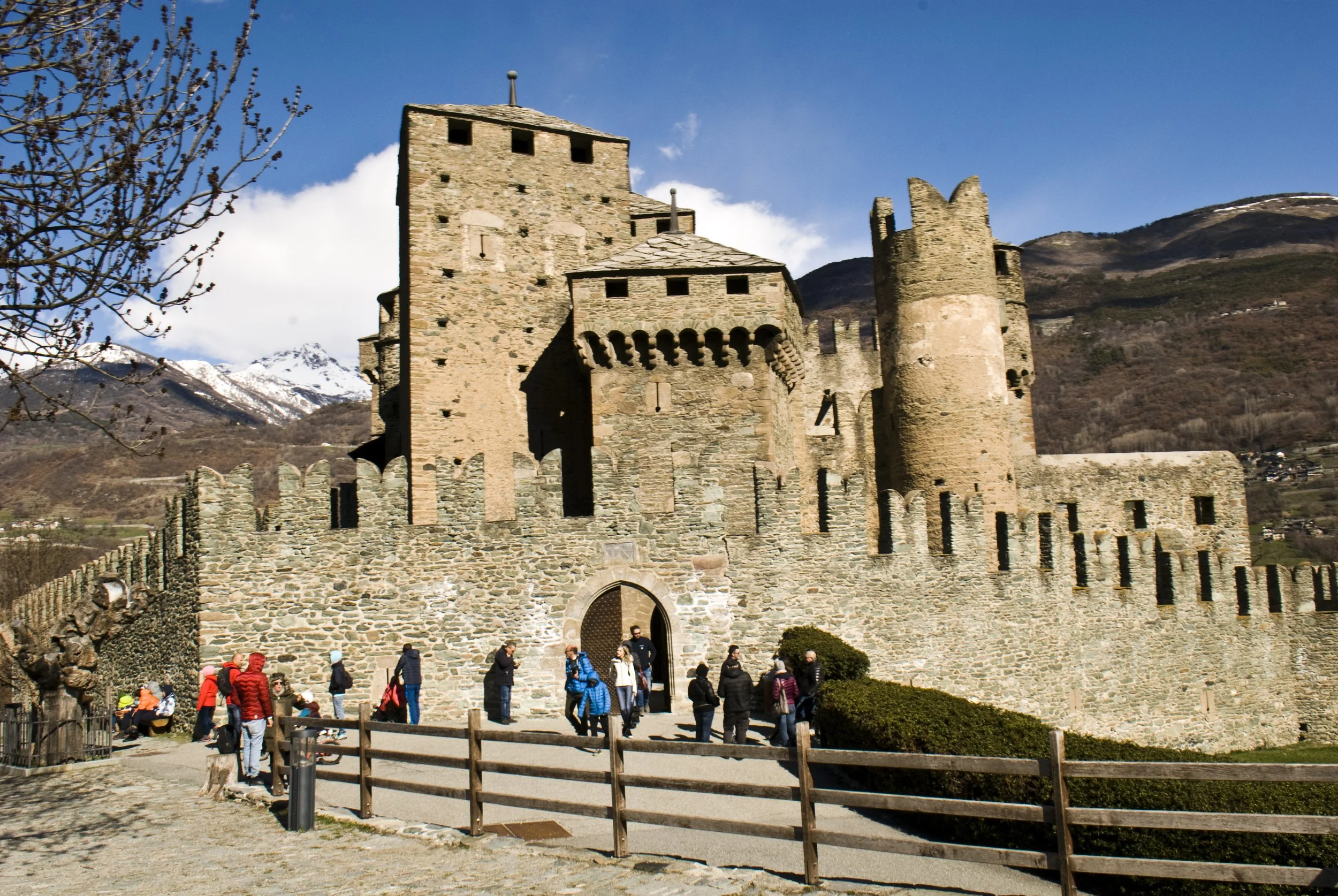
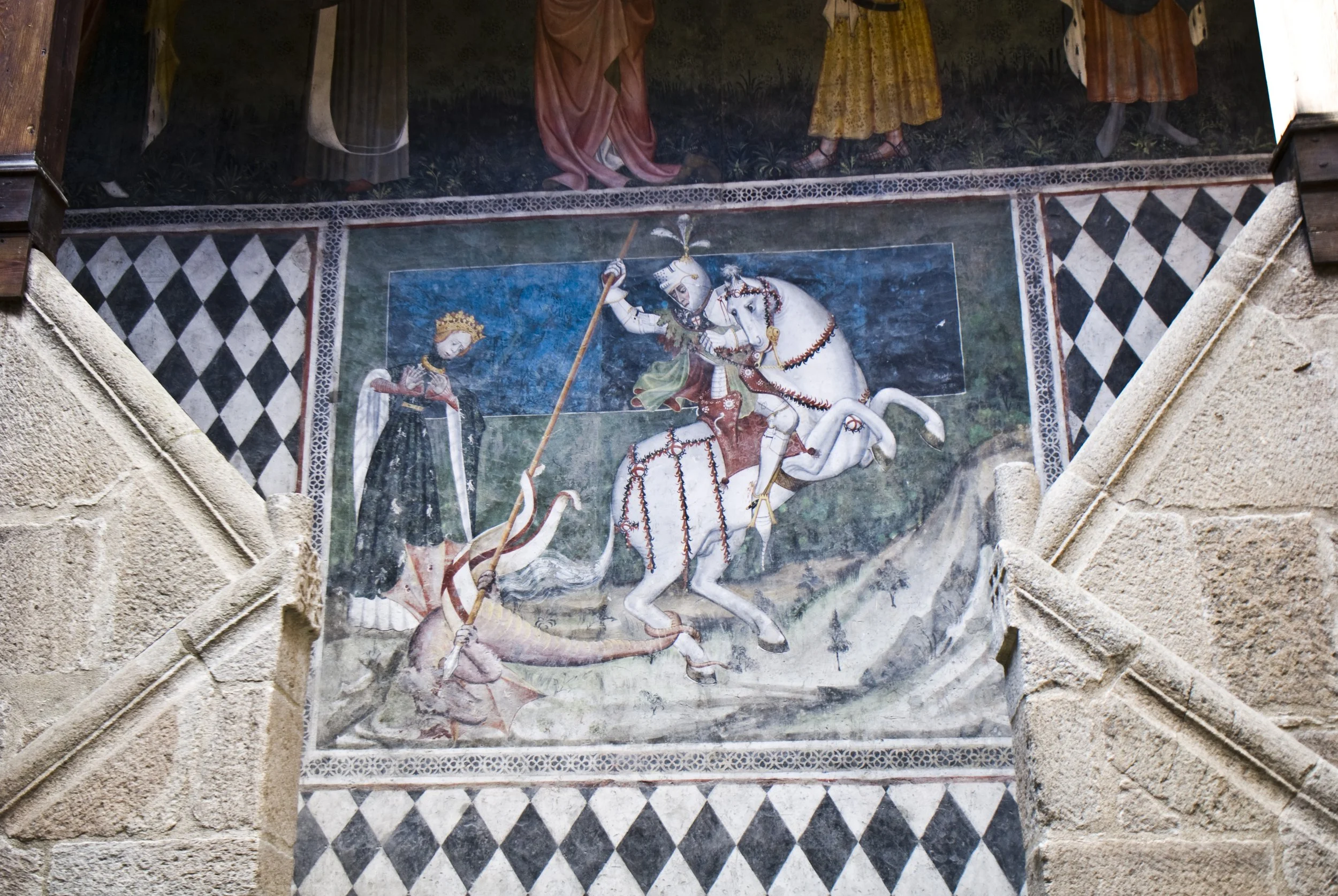
Castello di Fénis (XIV-XV secolo)
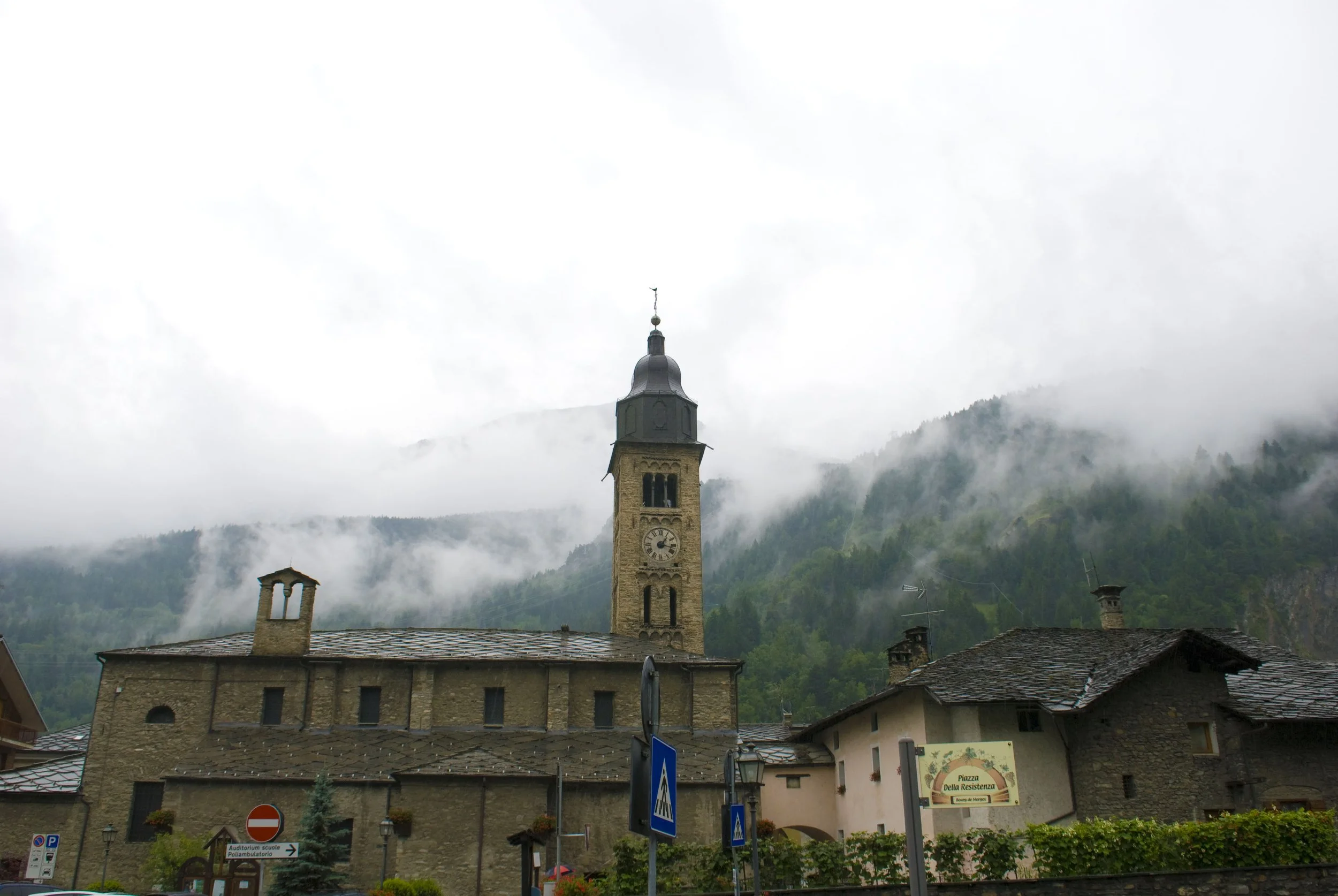
Morgex
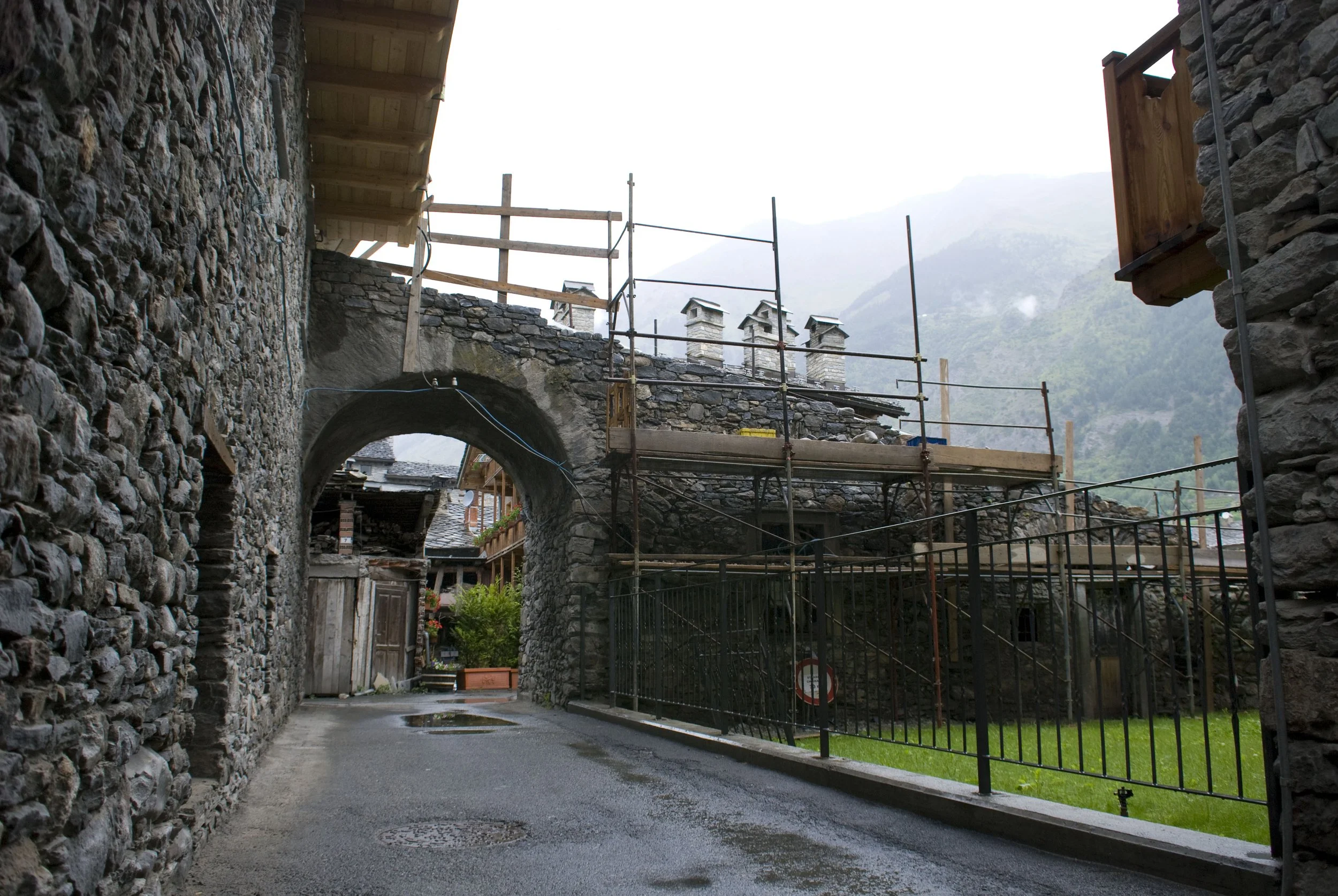
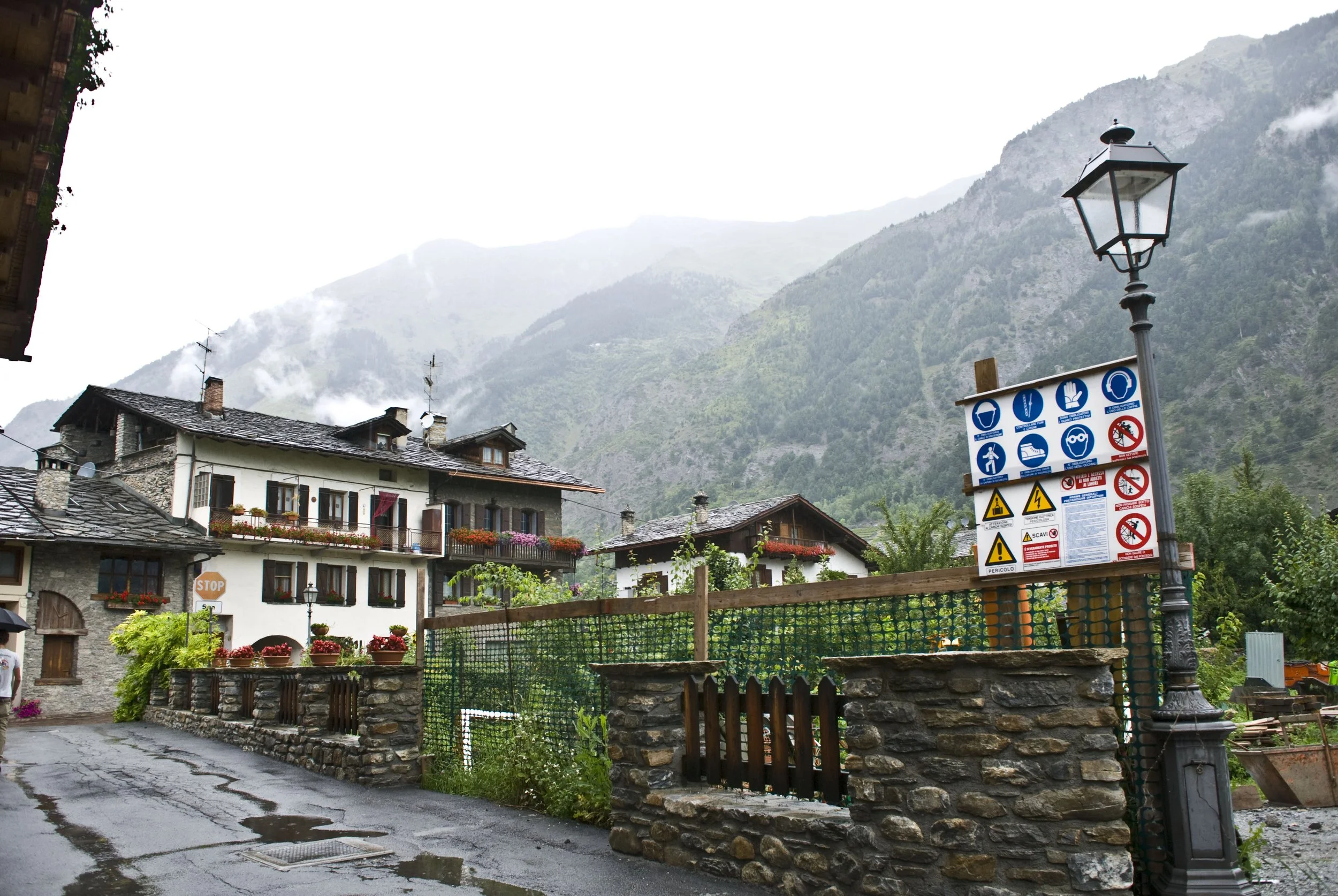
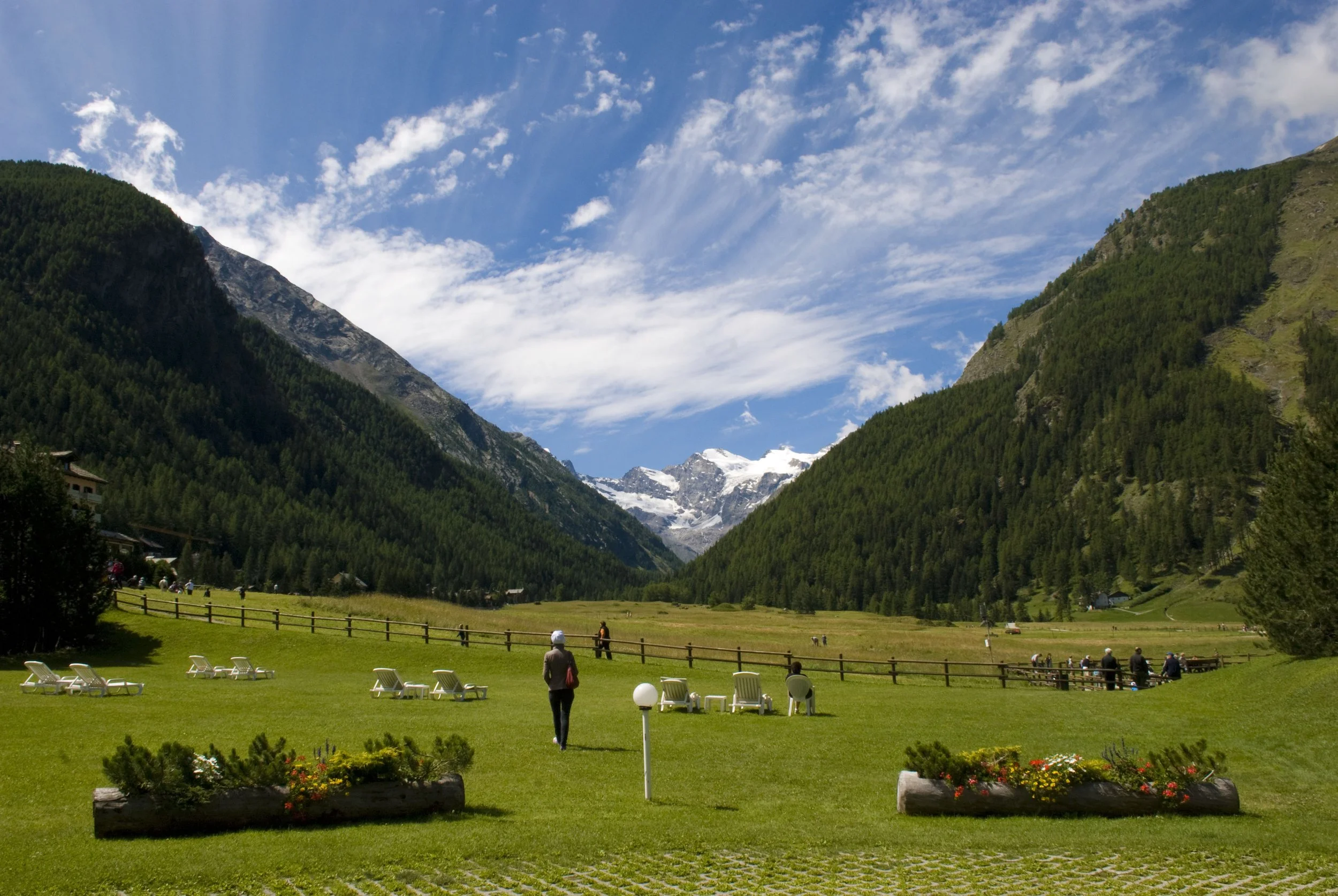
Cogne - Prato di Sant’Orso
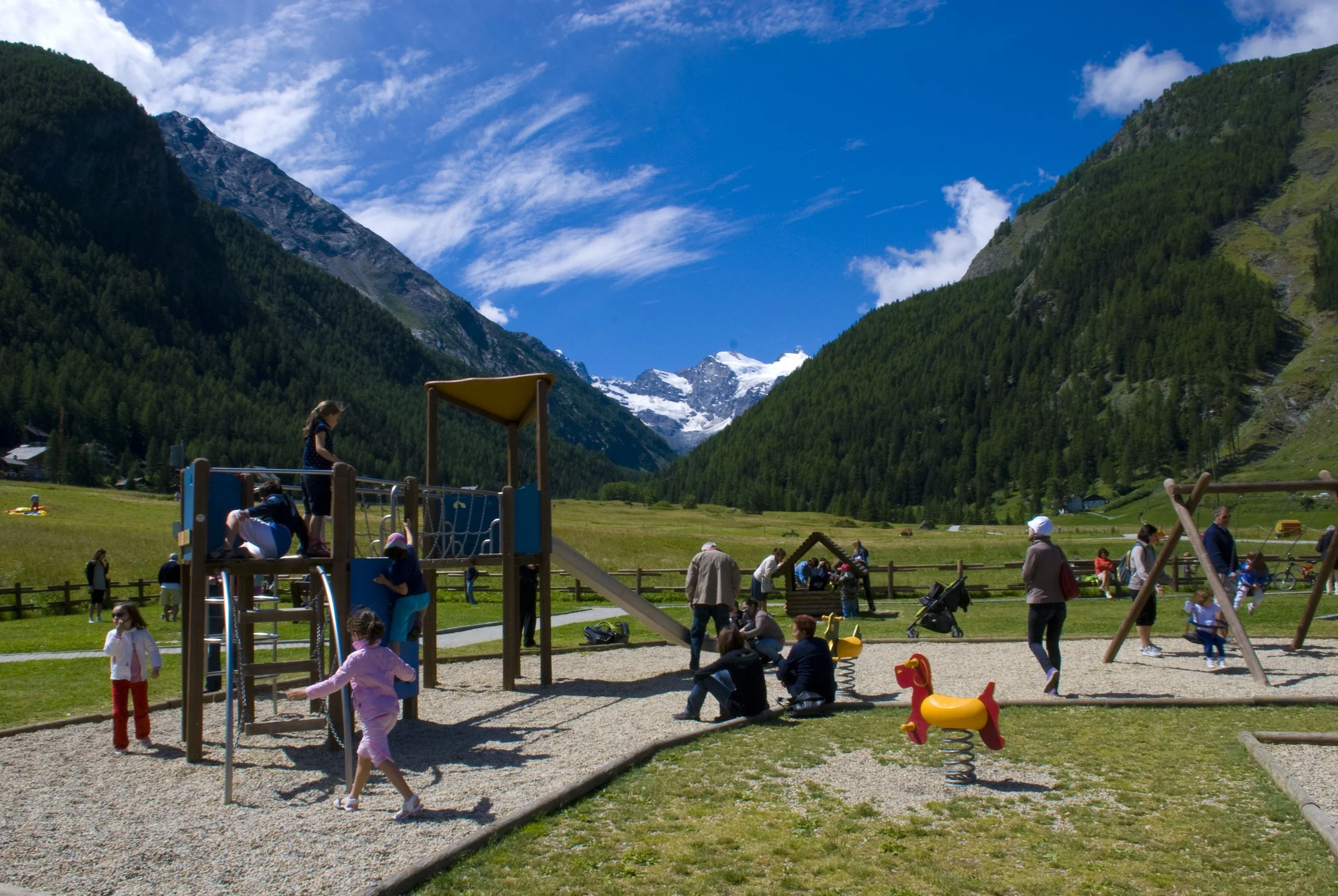
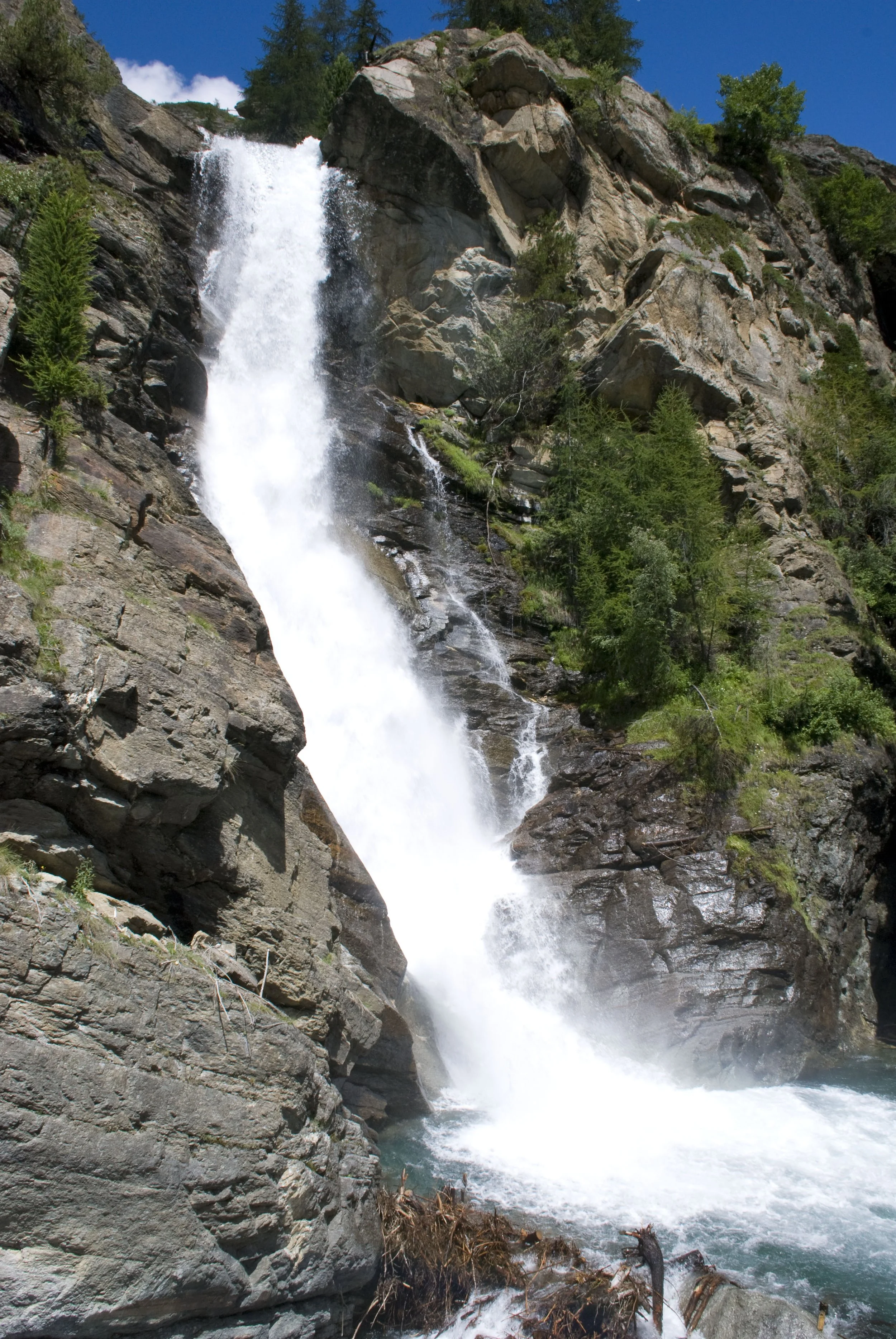
Lillaz
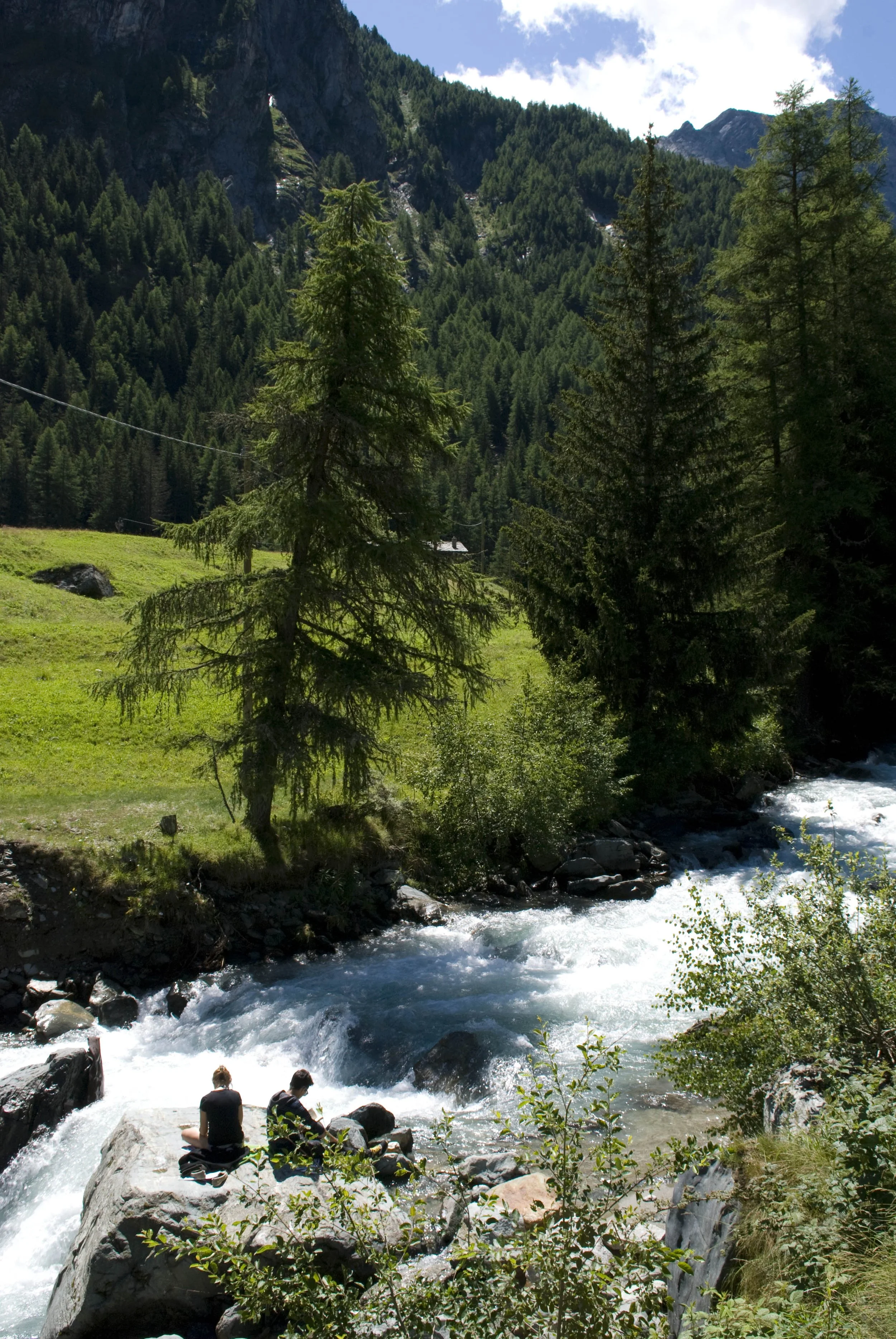
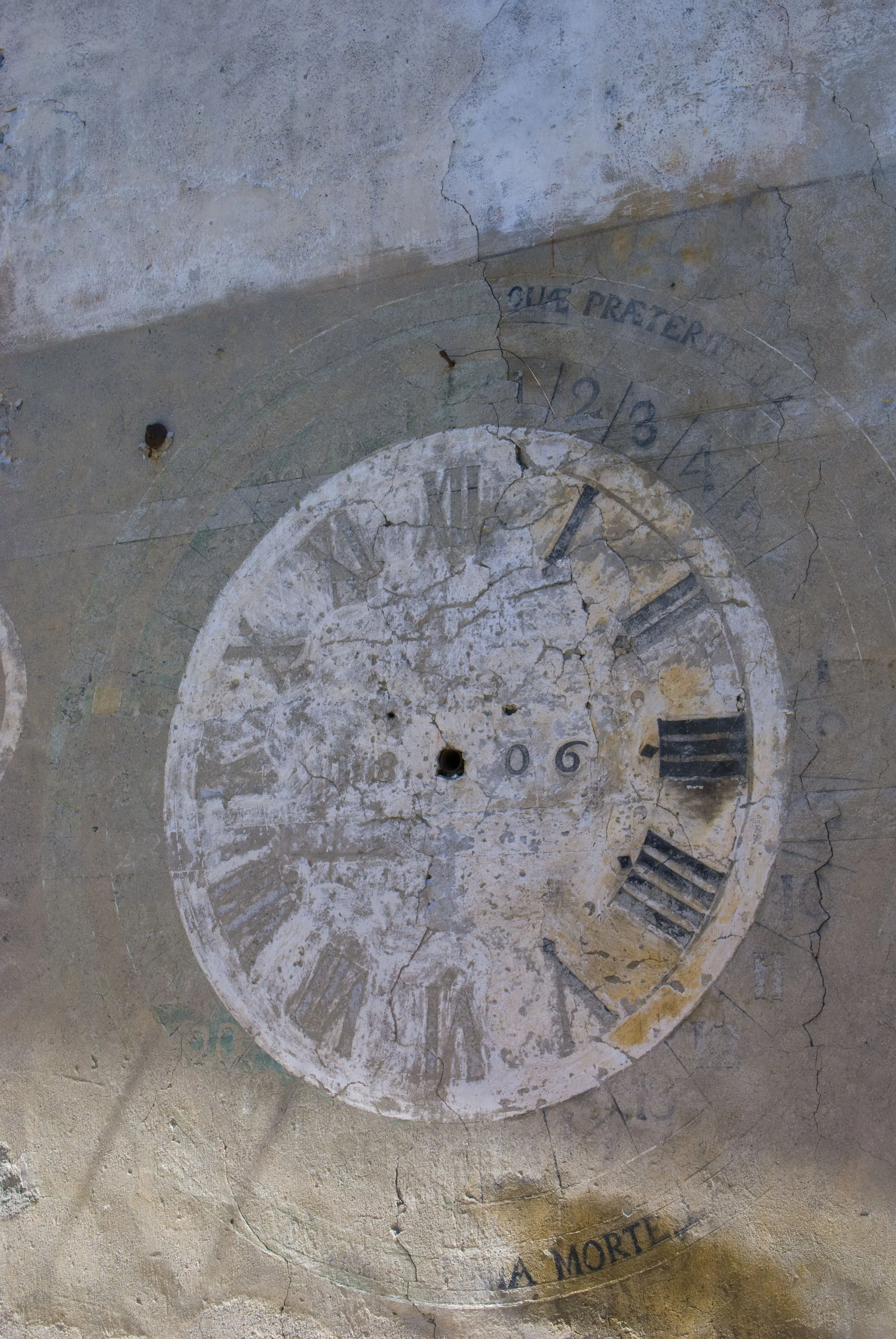
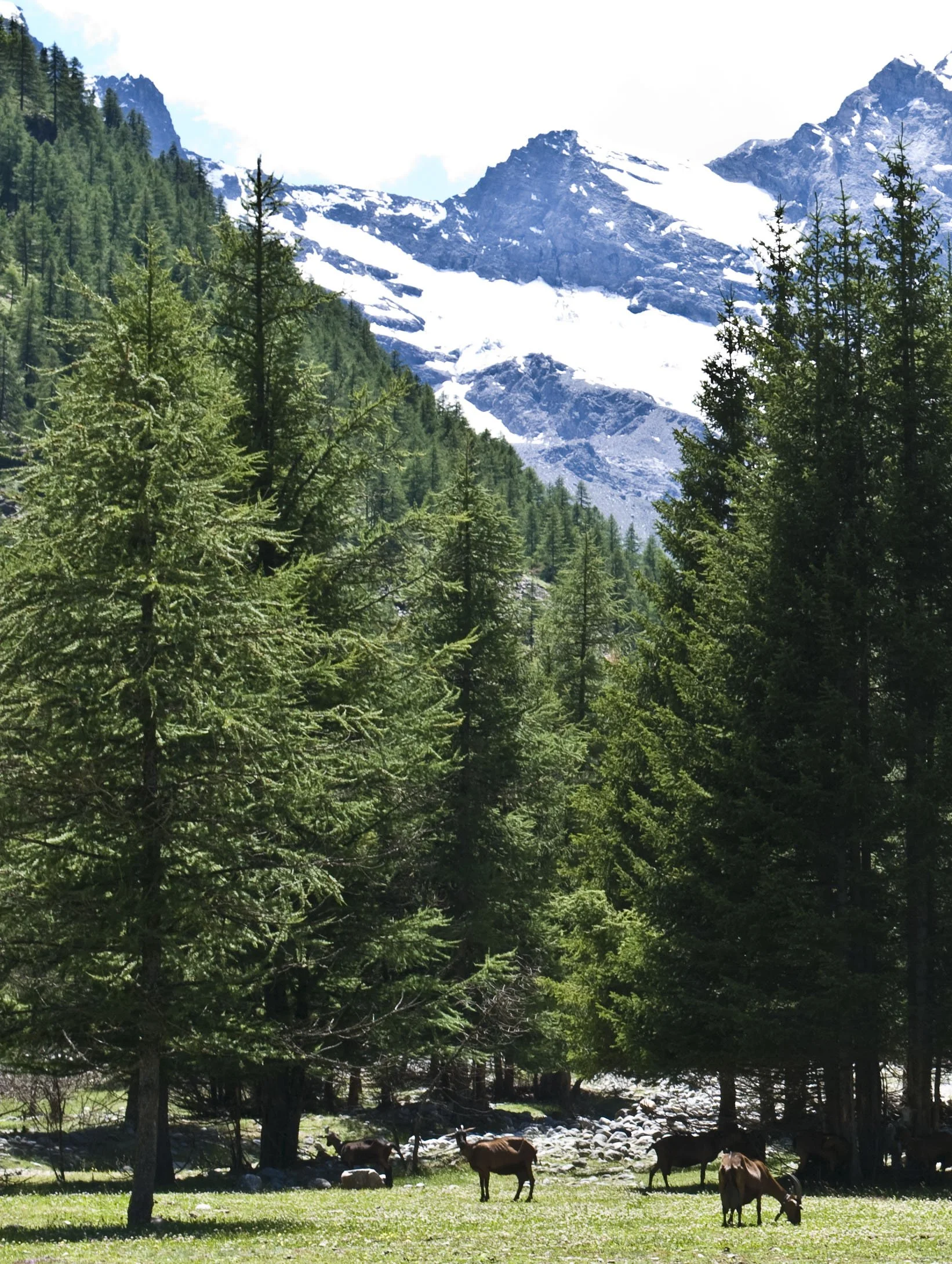
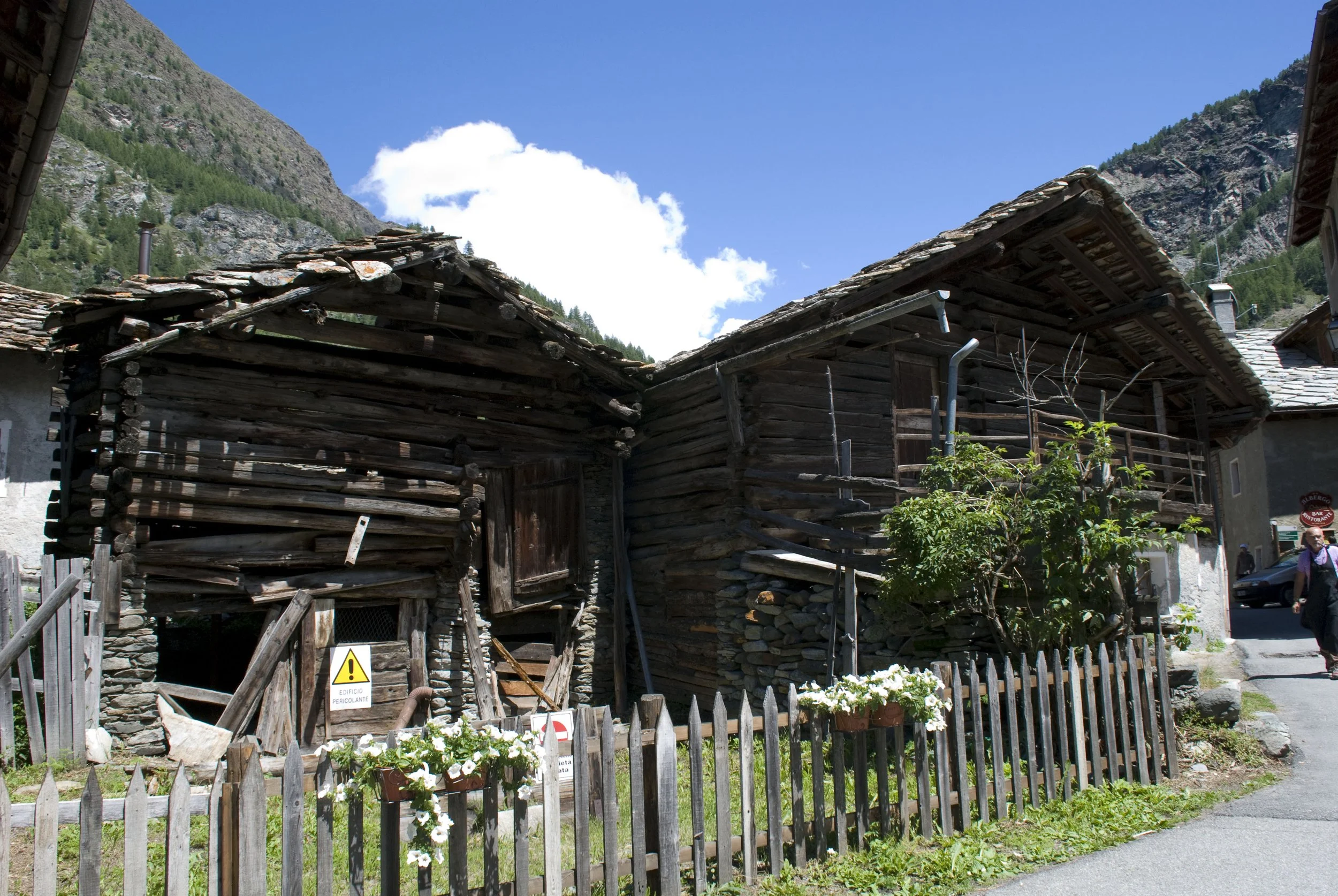
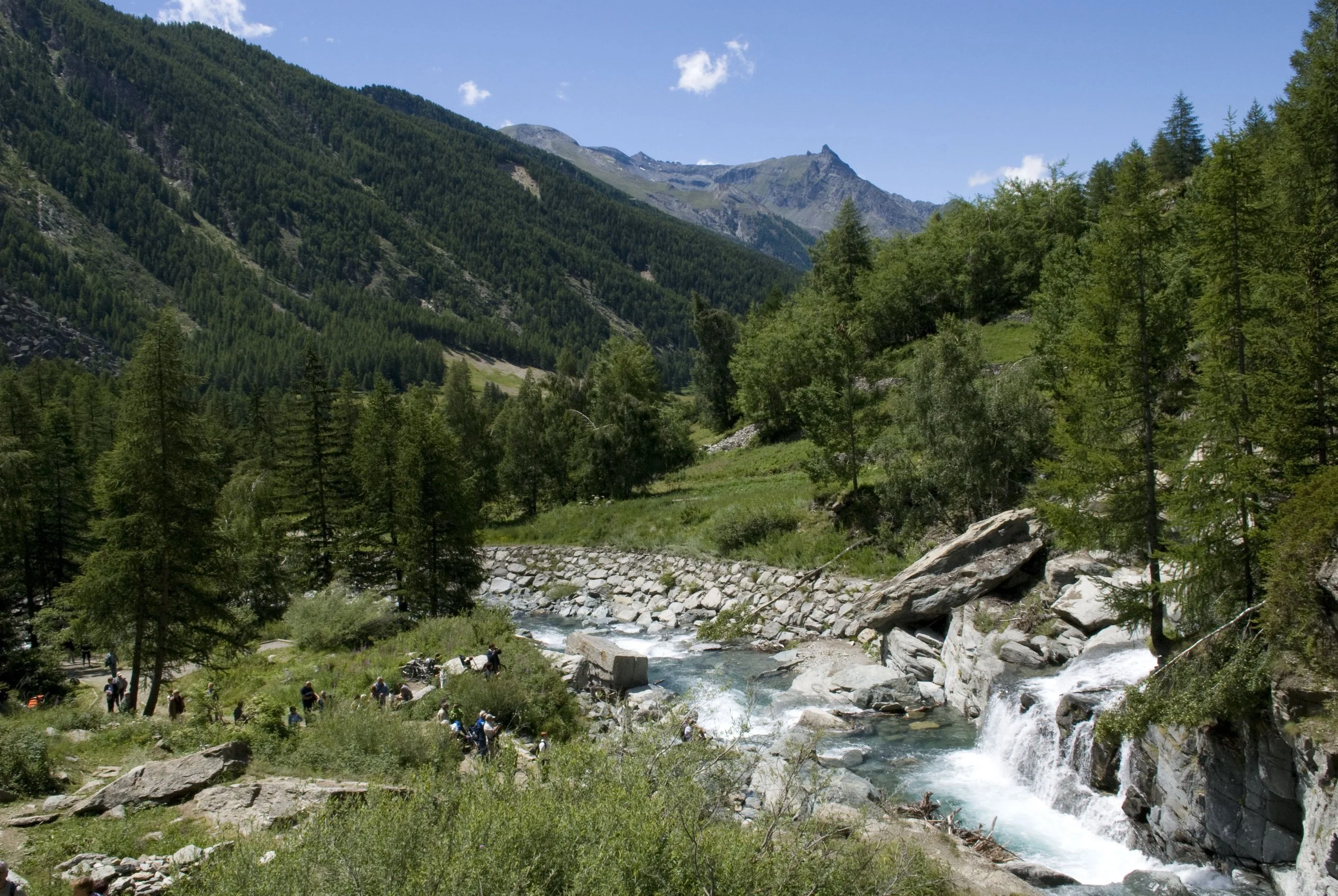
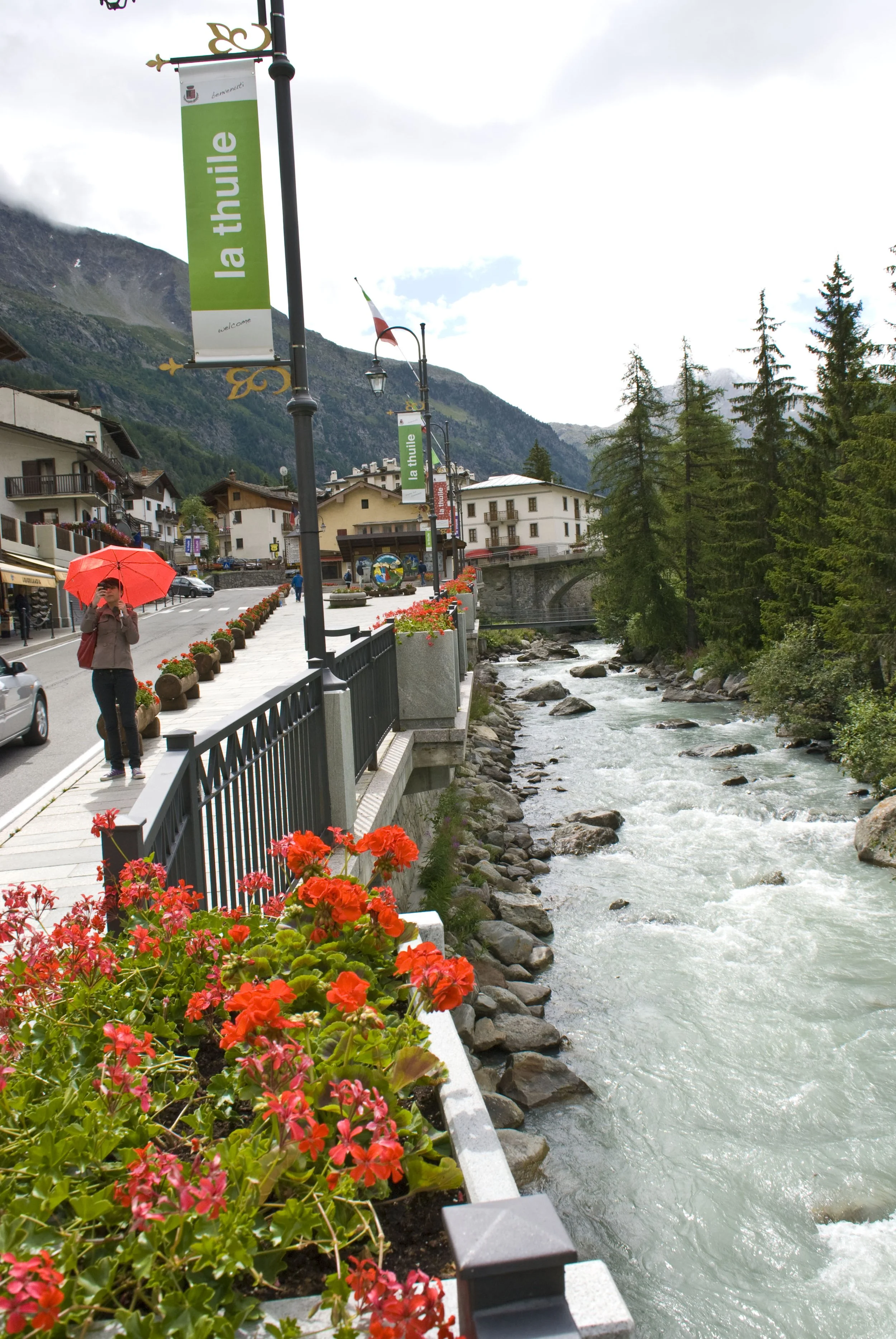
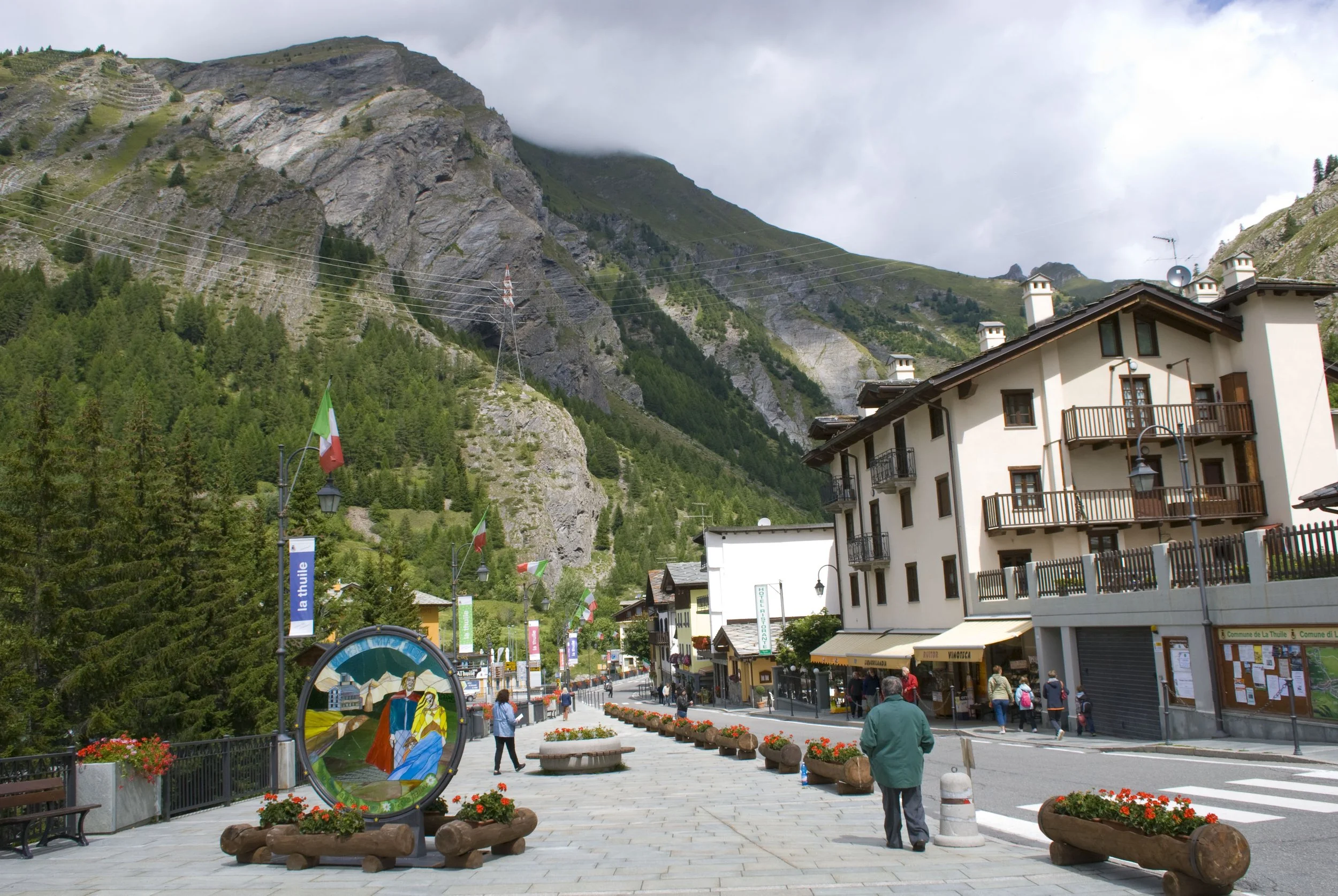
La Thuile
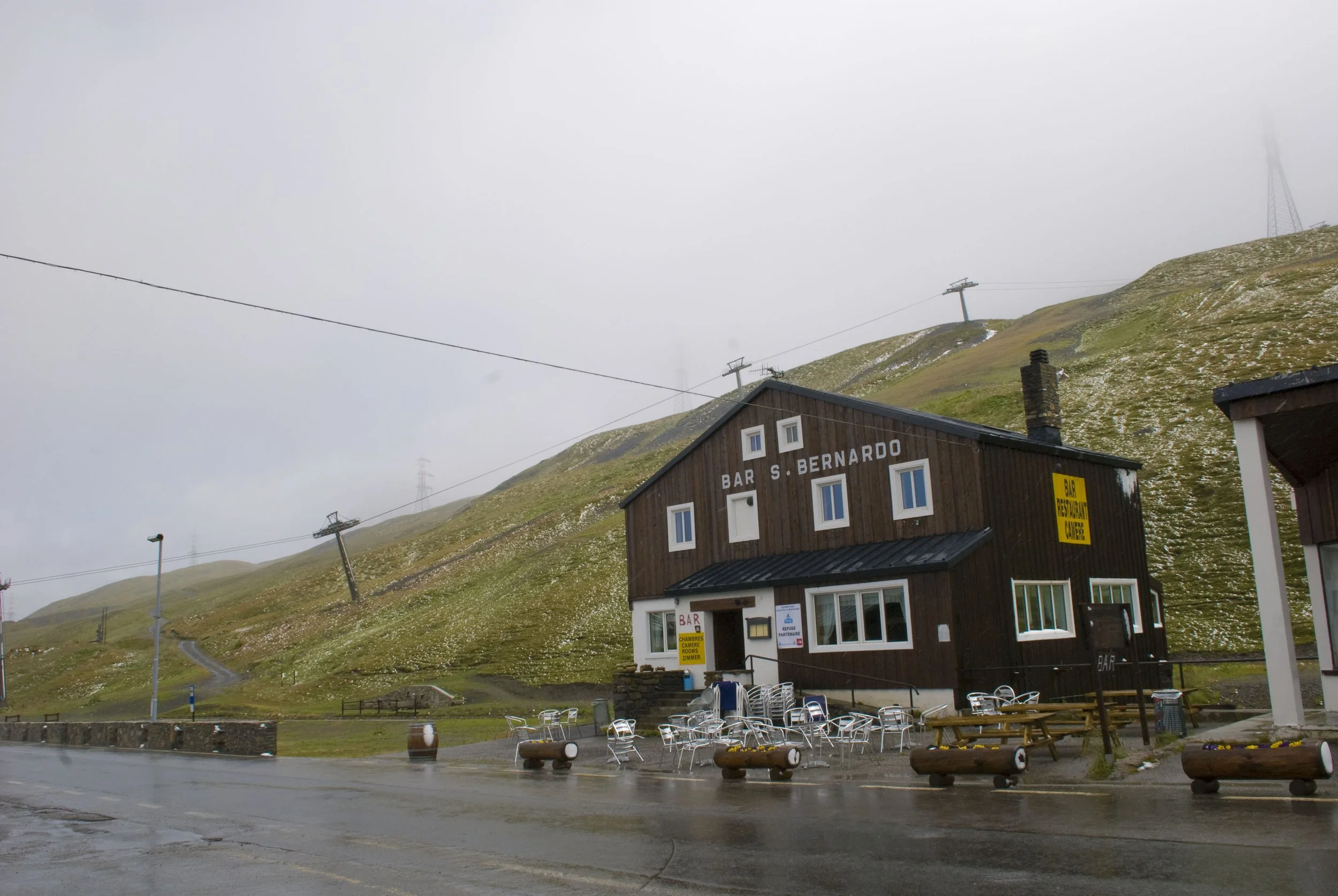
Colle del Piccolo San Bernardo (2188 m)
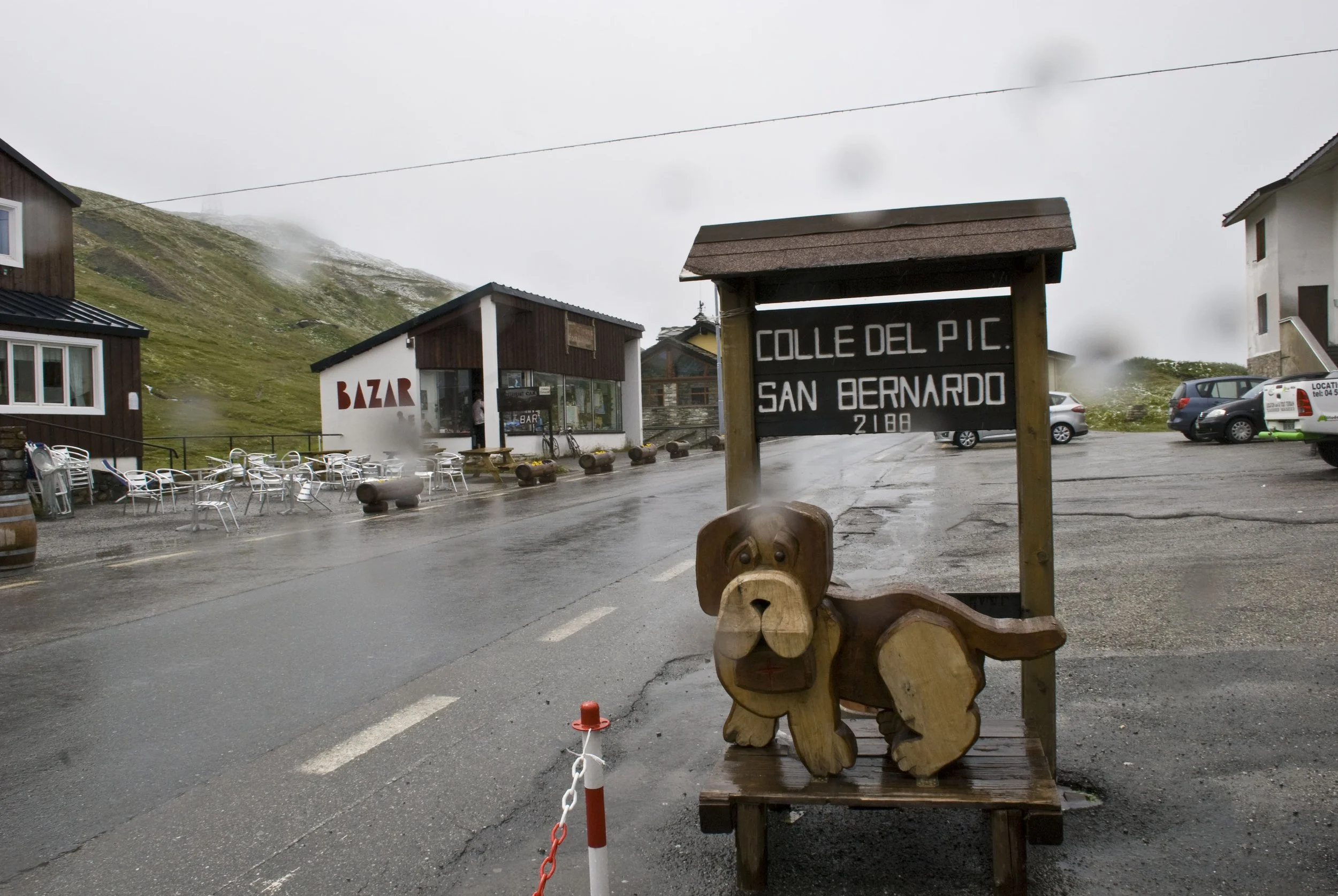
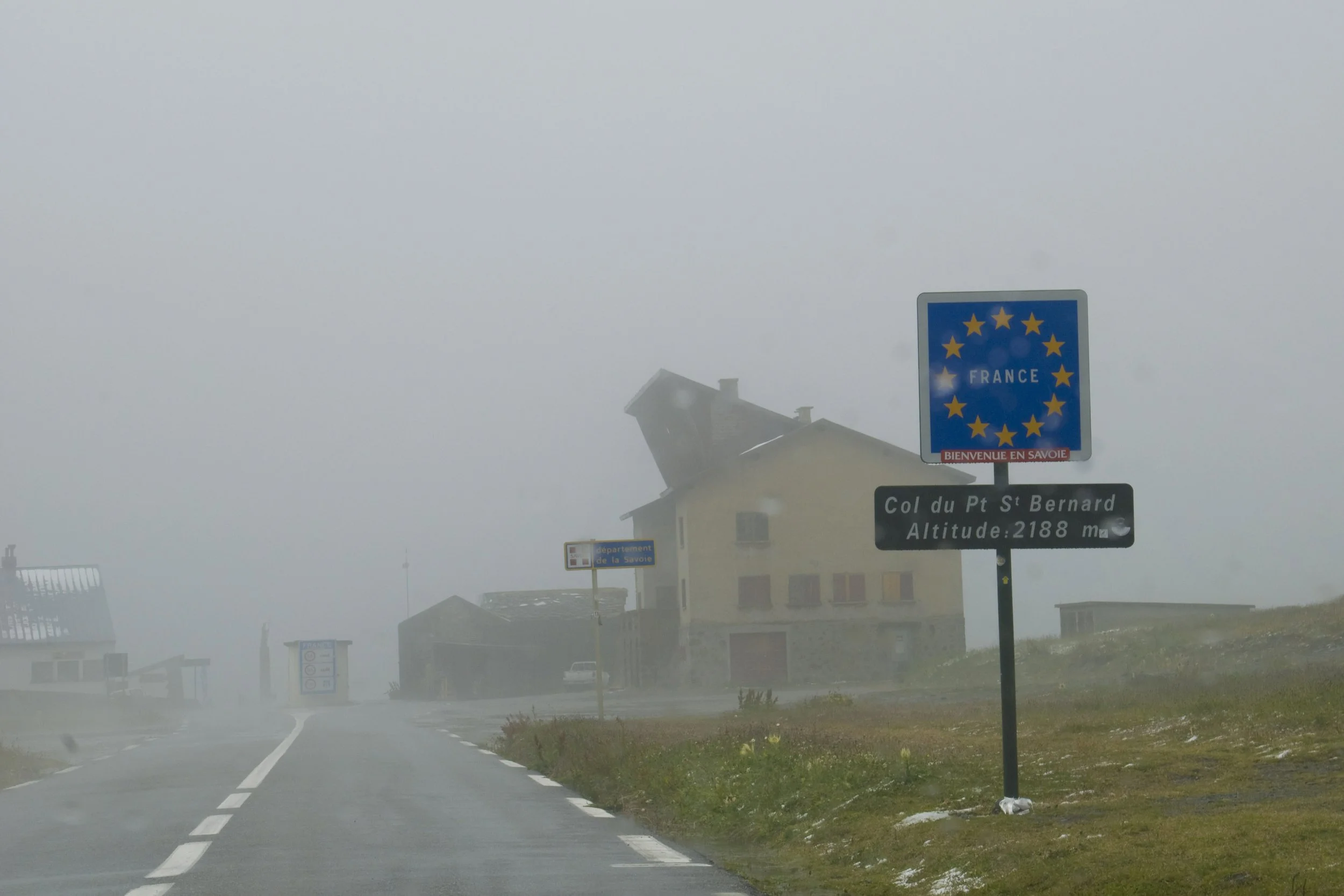
Confine